Clear the Air Inside Your Home
Indoor Air Quality in Orlando for reducing allergens and airborne contaminants in occupied spaces
All Week Heating & Cooling Inc. installs filtration systems, air purifiers, and humidity control equipment in Orlando homes where dust settles quickly on furniture, family members wake with sinus congestion, or mold appears on bathroom ceilings despite exhaust fan use. Poor indoor air quality shows up as lingering odors, visible dust particles in sunlight, and allergy symptoms that improve when you leave the house but return within hours of coming back inside.
Solutions include whole-home air purifiers that mount inside the ductwork and use ultraviolet light to neutralize bacteria and mold spores, high-efficiency filters that capture particles smaller than standard fiberglass filters miss, and dehumidifiers that pull excess moisture from the air before it condenses on cold surfaces. In Florida's humid climate, indoor humidity above sixty percent promotes mold growth on drywall, wood trim, and inside closets where airflow is limited.
If respiratory issues worsen indoors or cleaning fails to control dust buildup, schedule an air quality assessment with All Week Heating & Cooling Inc. to identify the source and review equipment options.
How Air Quality Equipment Works With Your HVAC
You will receive a site evaluation that measures current humidity levels, inspects ductwork for leaks or mold, and reviews your existing filter setup. Purifiers install in the return air plenum and treat air before it circulates through the home, while dehumidifiers connect to the condensate drain line and remove moisture continuously when the air handler runs.
After installation, you will notice less dust accumulation on shelves and electronics, reduced musty odors in closed rooms, and fewer allergy symptoms during pollen season when windows stay closed and recirculated air dominates. All Week Heating & Cooling Inc. recommends filter replacement intervals based on household size, pet presence, and local pollen counts, as filters clog faster in homes with multiple occupants or pets that shed.
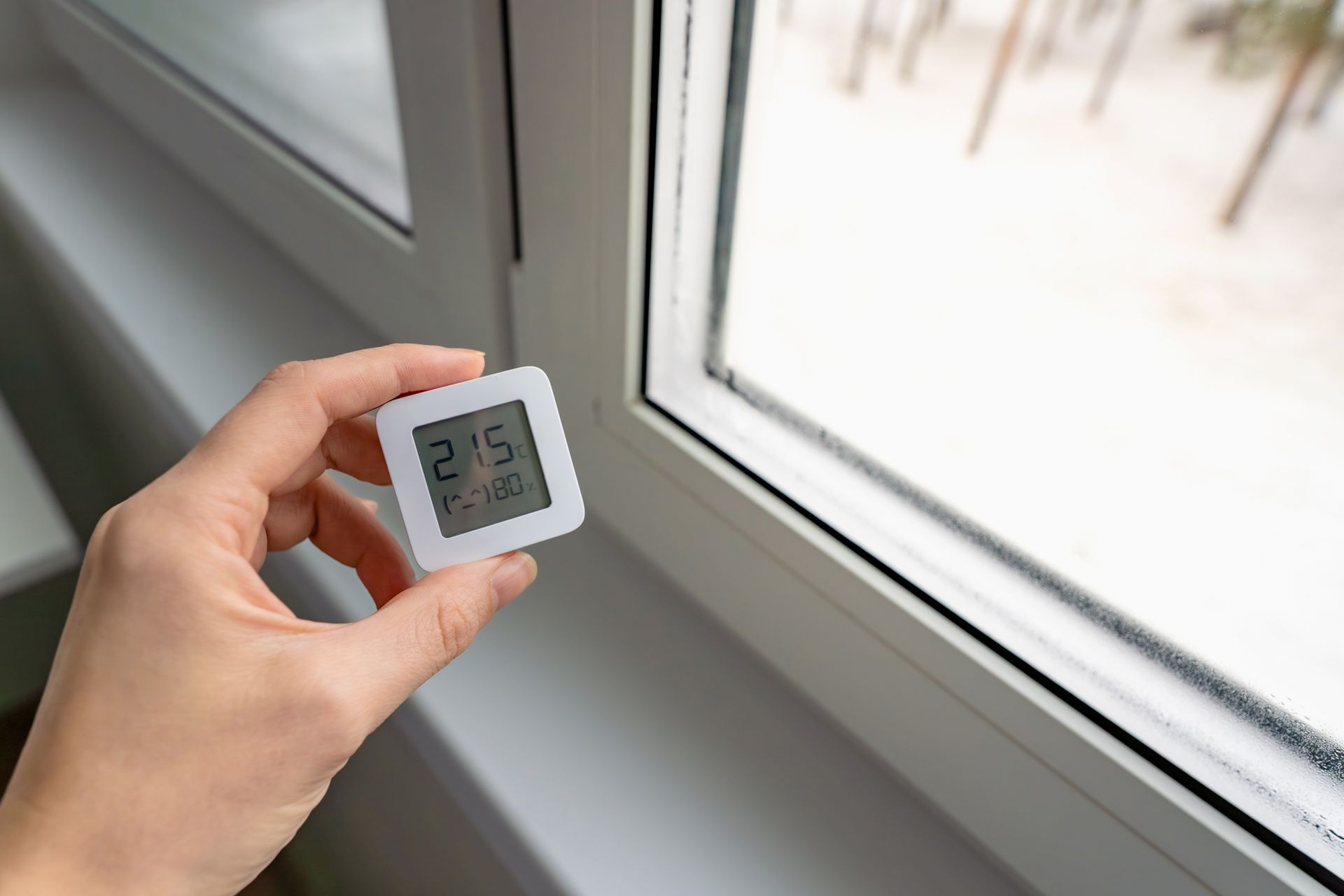
Humidity control prevents condensation on windows and walls during summer months when the air conditioner runs frequently but indoor moisture remains high. Properly sized dehumidifiers maintain levels between forty and fifty percent, which feels more comfortable and prevents the damp feeling that makes seventy-four degrees seem warmer than it is. These systems do not replace air conditioning but work alongside it to manage moisture that the cooling cycle alone cannot fully remove.
Questions About Improving Indoor Air
Homeowners in Orlando often ask which equipment addresses specific problems, how often filters need changing, and whether purifiers eliminate odors from pets or cooking.
What type of filter removes pet dander and pollen?
MERV 11 or higher pleated filters capture particles down to one micron, including most common allergens, but they require the blower motor to work harder and may need a system check to ensure airflow remains adequate.
How does a UV purifier differ from a filter?
Ultraviolet light kills bacteria, mold spores, and viruses that pass through the ductwork, while filters physically trap particles, so both work together to address different contaminants.
When should I add a dehumidifier instead of relying on my air conditioner?
If indoor humidity stays above sixty percent even when the air conditioner runs regularly, a standalone dehumidifier removes moisture without overcooling the space.
Why do some rooms smell musty even after cleaning?
Hidden mold growth inside walls, under flooring, or in ductwork produces odors that cleaning cannot remove, and these areas need direct remediation and airflow improvements.
How often should I replace a whole-home air purifier?
UV bulbs lose effectiveness after one to two years and need replacement to maintain germ-killing performance, while filters require changes every three to six months depending on usage.
All Week Heating & Cooling Inc. tailors recommendations to your specific concerns, whether that involves controlling allergens, managing humidity, or eliminating odors. Contact the team to discuss your indoor air issues and review the available equipment for your system and space.